The cue sheet in my jersey pocket had gone soft with sweat by the time I reached the turn onto Williamson Valley Road. I read it wrong. Or I read it right and the road sign disagreed with me. Either way I added six miles and one extra climb to a day that already had 80 in it, and I finished the last hour in the dark with a phone battery at 4 percent. At the top of that grade I decided I was done navigating off a folded piece of paper. That is how the Garmin Edge 540 ended up on my stem.
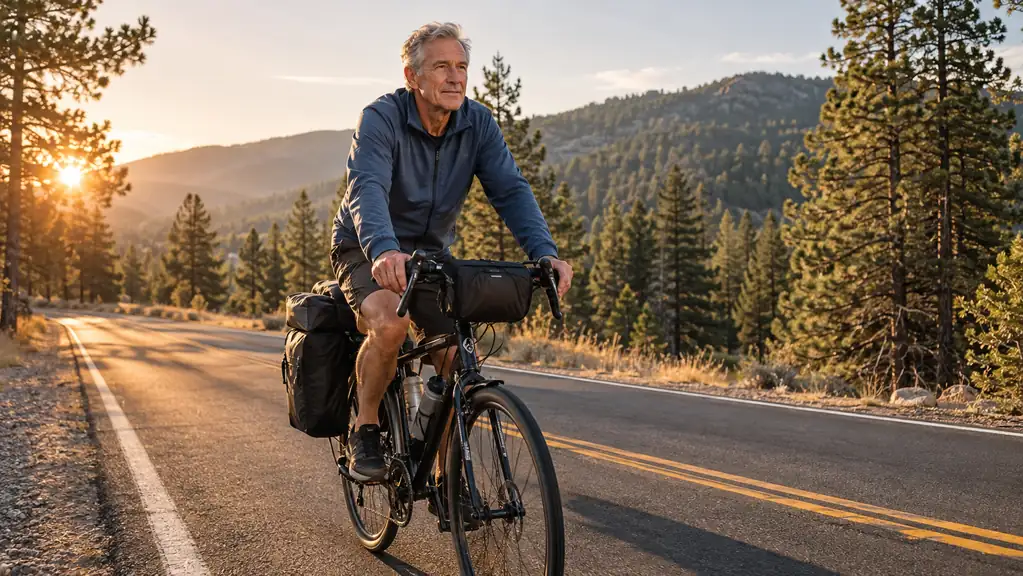
I am 67. I taught shop for 31 years and retired at 62, and the long rides started the spring after that. A normal day for me is 50 to 70 miles twice a week, spring through fall, mostly the roads out of Prescott toward Chino Valley. Most of those days have real climbing in them, because the town sits at about 5,400 feet and the ground only goes one direction. My hands ache by mile 50, my lower back stiffens, and my left knee complains on steep grades. None of that gets fixed by a gadget. But a different problem used to ruin those days, and that one the gadget does fix.
Here is what you should know about how I came by it. I bought the Garmin myself in the first week of March about two years ago, along with a few other things I had put off for too long. Nobody handed it to me and nobody asked for a write-up. It has been on the bike for roughly 8,000 miles since.
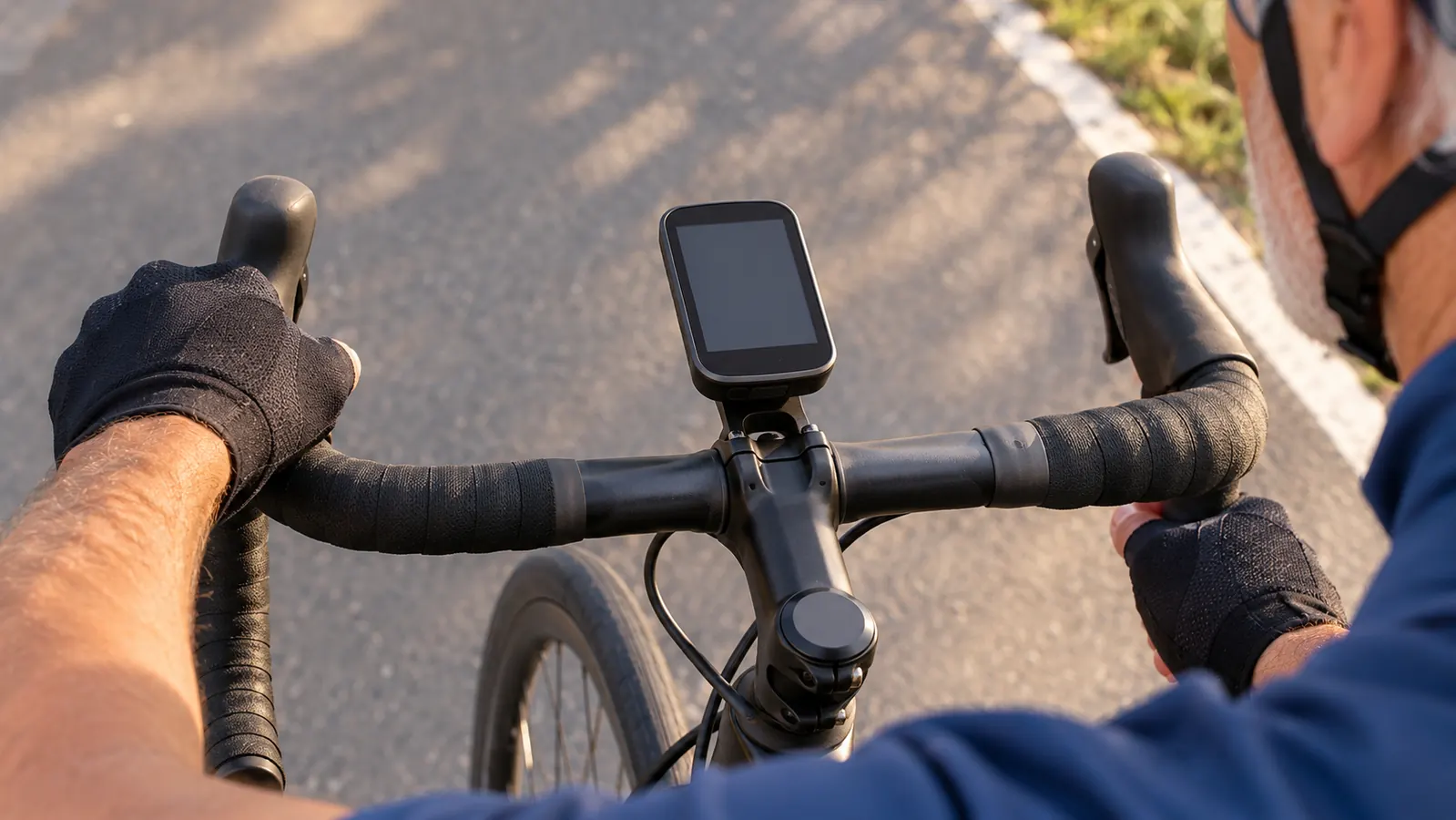
The first thing to know is that it runs on buttons, not a touchscreen. The screen is 2.6 inches, which is smaller than the phone in your pocket. It took me about two weekends to stop hunting for the right button. The menus are not a puzzle, but they are not a straight line either, and I would rather tell you that now than have you find out on a cold morning at the side of the road.
The mount came in the box. I clamped it on the stem, which took ten minutes and one Allen key, and I have not touched it since. My phone now rides in the jersey pocket with the screen off, and on a wet day that is the part I appreciate most.
The ride that sold me was an April Saturday on the grade out of Chino Valley. ClimbPro puts the remaining ascent and the grade on the screen while you are on a climb. I already knew the hill was long. What I did not know was how much of it sat above the second switchback, or that the steep part was not where I had assumed. I paced it differently because of that screen, and I got to the top with something left in my legs. On a 60 mile day that changes the last hour entirely. Not because I rode faster, but because I stopped burning matches early. I am not a racer and I never will be, and that screen is the one feature I would fight to keep.
I paced it differently because of that screen and finished with something left. Knowing how much climb is still in front of you is the whole thing.
It tells you how much hill is still in front of you
Buttons instead of a touchscreen, a 2.6 inch display, and up to 26 hours of battery. The Garmin Edge 540 has been on my stem for two years and roughly 8,000 miles.
Amazon Check Today's Price on Amazon →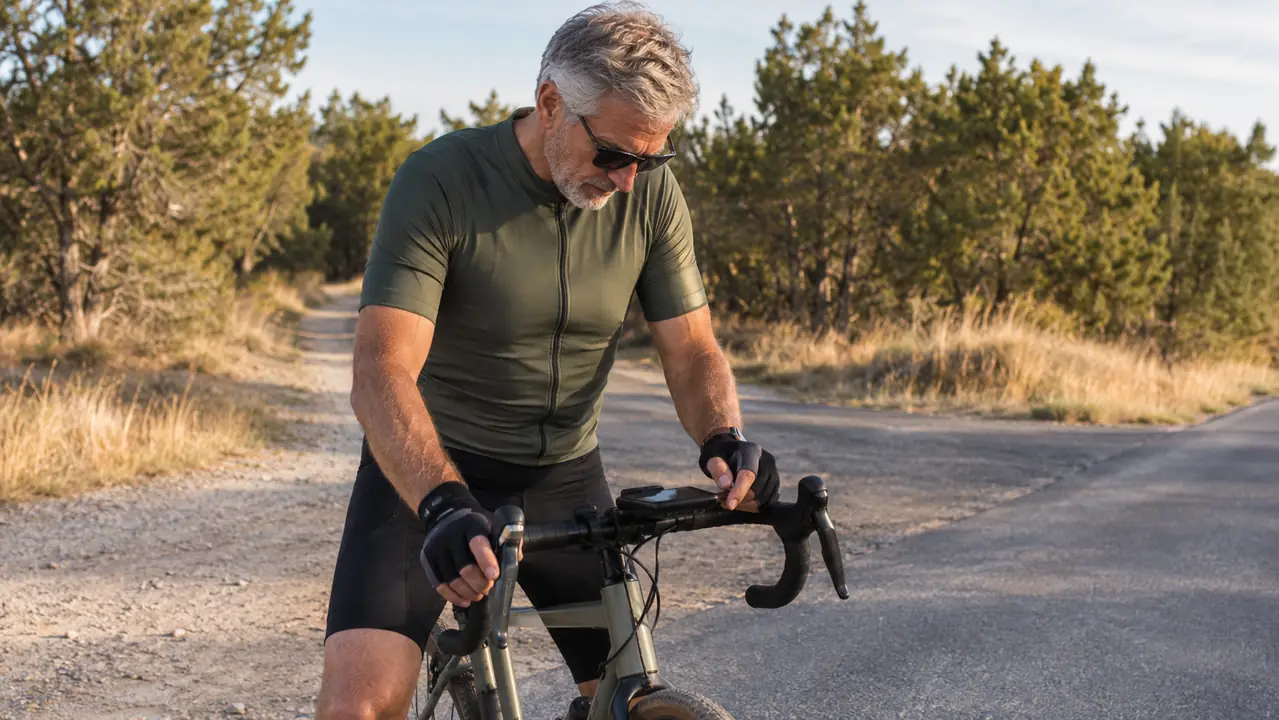
I plan routes at the kitchen table the night before and send them across, and that habit is what replaced the cue sheet. Sunday evening, a map, a cup of coffee, and the route is waiting in the morning. I have never used the coaching features or the training plans, and I do not own a power meter, so I cannot tell you anything useful about that side of it. I use it to know where to turn and how much hill is in front of me. That is the job, and it does the job.
The battery is rated to 26 hours, or 42 in battery saver mode. My longest day is about 100 miles, which is close to eight hours for me, and it has never come off the bars anywhere near empty. I charge it after every long ride out of habit rather than need. On the shorter winter loops I charge it every second or third ride and think nothing of it.
It pairs to my phone over Bluetooth, which is how a route gets across without me digging out a cable. The phone stays in the pocket. That is all I ask of it.
Two complaints, and both are honest. The button menus take a while to learn, so if you only ride once a week you will spend a month of rides pushing the wrong thing. And the screen is small. At 67, without my readers, I can read the grade and the distance but the smaller data fields are a squint, so I trimmed the display down to fewer, larger fields. If you want a big map under your nose, this is not that device. If you want to know where the turn is and how much climb is left, it is plenty.
What I'd Tell You If We Were Sitting at My Kitchen Table
I would tell you that a computer does not make you fitter, and it will not fix a sore back or a knee that talks to you on steep grades. That is a conversation with your doctor, and mine has heard it more than once. What it fixes is the day going sideways because you missed a turn at mile 55 and spent the last hour guessing at road signs. If you ride the same 20 mile loop from your own driveway, keep your money and keep riding it. If you ride 50 or 70 miles on roads you do not know, this earns its place on the stem fast. Charge it the night before a long day, learn the buttons on two short rides before you trust them on a long one, and set the screen up with fewer fields than you think you want. That is the whole of what I know about it after two years.
Two seasons and 8,000 miles later, it is still on the stem
Buttons, a 2.6 inch screen, up to 26 hours of battery, and the climb profile right there when the grade kicks up. See today's price on the Garmin Edge 540 and decide whether it fits the way you ride.
Amazon Check Today's Price on Amazon →